Author

Emily

Browsing

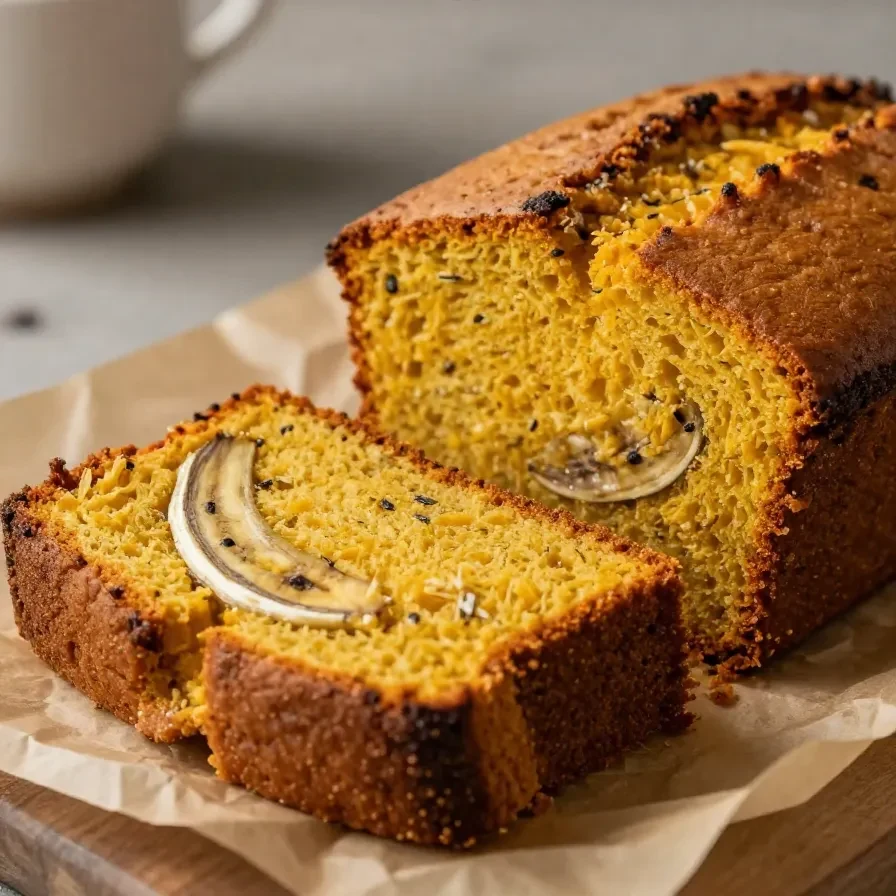
Easy Chocolate Chip Banana Bread: A Hug in Every Slice

Hey, friends! Emily here, from Emily’s Must-Try Kitchen. Today, we’re diving headfirst into a recipe that’s as comforting as a warm blanket on a chilly morning: Easy Chocolate Chip Banana Bread. This isn’t just *any* banana bread; it’s the kind that disappears faster than you can say “second slice.” Growing up in Charleston, South Carolina, the smell of baking bread always meant family time, and this recipe brings back those memories every single time.

I’ve tweaked and perfected this recipe over the years, and I’m so excited to share it with you. It’s simple, quick, and guaranteed to be a hit with everyone from picky eaters to seasoned bakers. Plus, it’s the perfect way to use up those bananas that are just a *little* too ripe. You know the ones I mean!

Why You’ll Absolutely Love This Chocolate Chip Banana Bread

Okay, let’s be real. There are a *lot* of banana bread recipes out there. So, why should you choose this one? Well, let me tell you, *this recipe is* special. It’s more than just a way to use overripe bananas; it’s a vehicle for joy. Here’s why you’ll be hooked:

  • Moist and Delicious: This *banana bread* is incredibly moist, thanks to the perfect ratio of ingredients. No dry, crumbly bread here!
  • Simple and Quick: With minimal prep time, *it’s* perfect for busy weeknights or weekend baking sessions. Most of the *minutes of prep* are just mashing bananas!
  • Chocolate Chips Galore: Who doesn’t love chocolate chips? They add the perfect touch of sweetness and decadence to this *classic* treat.
  • Family-Friendly: *Everyone loves* this recipe, from kids to adults. It’s a guaranteed crowd-pleaser.
  • Versatile: You *can* easily customize *the recipe* with different add-ins, like nuts, spices, or even a cream cheese swirl.

Ingredients You’ll Need

Before we get started, let’s gather our ingredients. Don’t worry, you probably already have most of these in your pantry. Here’s what you’ll need:

  • ‘3 ripe bananas, mashed’
  • ‘1/3 cup melted butter’
  • ‘3/4 cup granulated sugar’
  • ‘1 egg, beaten’
  • ‘1 teaspoon vanilla extract’
  • ‘1 1/2 cups all-purpose flour’
  • ‘1 teaspoon baking soda’
  • ‘1/2 teaspoon salt’
  • ‘1 cup chocolate chips’

Emily’s Foolproof Steps to Banana Bread Perfection

Alright, let’s get baking! Follow these simple steps, and you’ll have a warm, delicious loaf of chocolate chip banana bread in no time. Remember, cooking is all about having fun, so don’t be afraid to get your hands dirty!

  1. Preheat and Prep: Preheat *the oven* to 350°F (175°C). Grease a 9×5 inch loaf pan. This prevents *the bread* from sticking and makes it easy to remove after baking.
  2. Mash the Bananas: In a large bowl, mash *the bananas*. I like to leave a few small chunks for added texture, but you can mash them completely smooth if you prefer.
  3. Combine Wet Ingredients: Stir in the melted butter, sugar, egg, and vanilla. Make sure the butter isn’t too hot, or it might cook the egg.
  4. Whisk Dry Ingredients: In a separate bowl, whisk together the flour, baking soda, and salt. This ensures that the baking soda is evenly distributed, which helps the bread rise properly.
  5. Combine Wet and Dry: Add the dry ingredients to the wet ingredients and mix until just combined. Be careful not to overmix, as this can result in a tough *bread is*.
  6. Fold in Chocolate Chips: Gently fold in the chocolate chips. I like to use a mix of milk and dark chocolate chips for added flavor, but you *can* use whatever you have on hand.
  7. Pour and Bake: Pour the batter into the prepared loaf pan. Bake for 50-60 minutes, or until a toothpick inserted into the center comes *out of* clean.
  8. Cool and Enjoy: Let cool in the pan for 10 minutes before transferring to a wire rack to cool completely. This prevents the bread from sticking to the pan and makes it easier to slice.

Pro Tips for the Best Banana Bread Ever

Want to take your banana bread to the next level? Here are a few of my top tips:

  • Use Ripe Bananas: The riper the bananas, the sweeter and more flavorful *the bread* will be. Look for bananas that are heavily speckled with brown spots.
  • Don’t Overmix: Overmixing can develop the gluten in the flour, resulting in a tough *bread is*. Mix until just combined.
  • Measure Flour Accurately: Use a kitchen scale to measure your flour for the most accurate results. If you don’t have a scale, spoon the flour into your measuring cup and level it off with a knife.
  • Bake at the Right Temperature: Make sure your oven is properly preheated before baking. This ensures that the bread bakes evenly and rises properly.
  • Let it Cool: Resist the urge to slice into the *bread* while it’s still hot. Letting it cool completely allows the flavors to develop and prevents it from becoming soggy.

Common Mistakes to Avoid

Even the most experienced bakers make mistakes sometimes. Here are a few common pitfalls to watch out for when making banana bread:

  • Using Underripe Bananas: Underripe bananas won’t provide enough sweetness or moisture, resulting in a bland, dry *bread*.
  • Overmixing the Batter: As mentioned earlier, overmixing can lead to a tough *bread is*.
  • Baking at Too High a Temperature: Baking at too high a temperature can cause the outside of the bread to burn before the inside is cooked through.
  • Not Greasing the Pan: Forgetting to grease the pan can cause the bread to stick, making it difficult to remove after baking.
  • Opening the Oven Door Too Often: Opening the oven door too often can cause the temperature to fluctuate, which can affect the bread’s rise and texture.

Variations to Spice Things Up

One of the best things about banana bread is that it’s so versatile. Here are a few fun variations to try:

  • Add Nuts: Walnuts, pecans, or almonds add a delightful crunch and nutty flavor.
  • Spice it Up: Add a teaspoon of cinnamon, nutmeg, or cardamom for a warm, cozy flavor.
  • Cream Cheese Swirl: Swirl a mixture of cream cheese, sugar, and vanilla extract into the batter for a tangy, decadent twist.
  • Peanut Butter Chips: Substitute peanut butter chips for chocolate chips for a peanut buttery delight.
  • Maple Glaze: Drizzle a maple glaze over the cooled bread for extra sweetness and flavor.

How to Store Your Banana Bread

If you’re lucky enough to have leftovers, here’s how to store your banana bread to keep it fresh:

  • *At Room Temperature*: Store in an airtight container or wrapped in *plastic wrap* for up to 3 days.
  • In the Refrigerator: Store in an airtight container for up to a week.
  • *Freeze the* Bread: Wrap tightly in plastic wrap and then in foil, or place in a freezer-safe bag, and *freeze the* bread for up to 3 months. Thaw *at room temperature* before serving. *You can* also freeze individual slices for a quick and easy snack.

Frequently Asked Questions (FAQ)

Got questions? I’ve got answers! Here are some common questions about making banana bread:

  • Can I use frozen bananas? Yes, you *can* use frozen bananas. Just thaw them completely and drain any excess liquid before mashing.
  • Can I make this recipe gluten-free? Yes, you *can* substitute a gluten-free flour blend for the all-purpose flour.
  • Can I reduce the amount of sugar? Yes, you *can* reduce the amount of sugar, but keep in mind that it will affect the sweetness and texture of the *bread*.
  • Why did my banana bread sink in the middle? This can happen if the oven temperature is too high, or if the batter is overmixed.
  • How do I prevent my banana bread from getting too brown on top? Tent the loaf pan with foil during the last 15-20 minutes of baking to prevent the top from browning too much.

Serving Suggestions for Maximum Enjoyment

Now that you’ve baked the perfect loaf of chocolate chip banana bread, here are a few ways to enjoy it:

  • Warm and Toasted: Slice a piece of *fresh bread*, toast it lightly, and spread with butter or cream cheese.
  • With a Cup of Coffee: Banana bread and coffee are a match made in heaven.
  • As a Dessert: Serve with a scoop of vanilla ice cream or a dollop of whipped cream for a decadent dessert.
  • In a Sandwich: Get creative and use banana bread as the base for a sandwich with peanut butter and jelly or Nutella.
  • Shared with Friends: The best way to enjoy banana bread is by sharing it with friends and family.

And there you have it! My easy chocolate chip banana bread recipe. I hope you love *this recipe is* as much as *I’ve* do. Remember, cooking is all about having fun and experimenting, so don’t be afraid to put your own spin on *this recipe is*. Happy baking, friends! And as always, feel free to reach out with any questions. *I’ve* loved having you in my kitchen today!

Hey there, friends! Emily Dawson here, from Emily’s Must-Try Kitchen. I’m so excited to share one of my all-time favorite desserts with you: a No-Bake Strawberry Cheesecake. Seriously, this recipe is a game-changer. It’s perfect for those hot summer days when the thought of turning on the oven makes you want to melt, or when you just need a delicious, impressive dessert without all the fuss. This recipe is easy, quick, and guaranteed to impress.

Growing up in Charleston, I learned that the best recipes are the ones that bring people together. This cheesecake does just that. It’s creamy, dreamy, and bursting with fresh strawberry flavor. Plus, it requires absolutely no baking! Ready to dive in? Let’s do it!

Why You’ll Love This No-Bake Strawberry Cheesecake

Okay, let’s be real. There are a million cheesecake recipes out there. So, why should you try this one? Let me tell you:

  • No-Bake Bliss: No oven required! Perfect for hot days or when you want a quick dessert.
  • Easy Peasy: This recipe is so simple, even beginner bakers can nail it.
  • Strawberry Sensation: Fresh strawberries create a vibrant and irresistible flavor.
  • Crowd-Pleaser: Guaranteed to impress your friends and family.
  • Customizable: Easily adaptable to your favorite flavors and dietary needs.

I’m telling you, this strawberry cheesecake is the answer to all your dessert cravings. It’s the perfect balance of sweet, tangy, and utterly delicious. Plus, the no-bake factor makes it a total winner in my book!

Ingredients You’ll Need

Before we get started, let’s gather our ingredients. Don’t worry, you probably have most of these in your fridge and pantry already!

  • 16 ounces fresh strawberries (hulled and diced)
  • 2 tablespoons cornstarch
  • 1 cup granulated sugar
  • ½ tablespoon unsalted butter
  • 2 teaspoons vanilla extract
  • 1 ½ cups graham cracker crumbs (about 1 ½ sleeves)
  • 6 tablespoons unsalted butter (melted)
  • 24 ounces cream cheese (softened)
  • 1 ½ cups confectioners’ sugar (sifted)
  • 1 tablespoon vanilla extract
  • 1 teaspoon lemon juice
  • ⅛ teaspoon salt
  • 1 cup heavy cream

Making the No-Bake Strawberry Cheesecake: Step-by-Step

Alright, let’s get down to business! I promise, this is easier than it looks. Just follow along, and you’ll have a gorgeous cheesecake in no time.

Step 1: The Strawberry Topping

  1. In a medium saucepan, combine the diced strawberries, cornstarch, and granulated sugar.
  2. Cook over medium heat, stirring constantly, until the mixture thickens and the strawberries soften (about 5-7 minutes).
  3. Stir in the unsalted butter and vanilla extract. Remove from heat and let it cool completely.

Step 2: The Graham Cracker Crust

  1. In a medium bowl, combine the graham cracker crumbs and melted butter. Mix well until the crumbs are evenly coated.
  2. Press the crumb mixture firmly into the bottom of a 9-inch springform pan. You can use the bottom of a measuring cup to help press it down evenly.
  3. Place the crust in the fridge to chill while you make the filling.

Step 3: The Creamy Filling

  1. In a large bowl, beat the softened cream cheese with an electric mixer until smooth and creamy.
  2. Gradually add the confectioners’ sugar, vanilla extract, lemon juice, and salt. Beat until well combined and smooth.
  3. In a separate bowl, whip the heavy cream until stiff peaks form.
  4. Gently fold the whipped cream into the cream cheese mixture until just combined. Be careful not to overmix!

Step 4: Assembling the Cheesecake

  1. Pour half of the cream cheese filling over the chilled graham cracker crust.
  2. Spoon half of the cooled strawberry topping over the filling.
  3. Gently swirl the strawberry topping into the filling with a knife or spoon. Be careful not to overmix.
  4. Pour the remaining cream cheese filling over the strawberry layer.
  5. Spoon the remaining strawberry topping over the top and swirl it in.
  6. Cover the cheesecake with plastic wrap and refrigerate for at least 4-6 hours, or preferably overnight.

Step 5: Serving and Enjoying

  1. Once the cheesecake is set, carefully remove it from the springform pan.
  2. Slice and serve! Garnish with fresh strawberries, if desired.
  3. Enjoy every single bite!

Pro Tips for the Perfect No-Bake Cheesecake

Want to take your cheesecake to the next level? Here are a few of my favorite tips:

  • Softened Cream Cheese is Key: Make sure your cream cheese is at room temperature before you start. This will ensure a smooth, lump-free filling.
  • Sift That Sugar: Sifting the confectioners’ sugar will prevent any unwanted clumps in your filling.
  • Don’t Overmix: Overmixing the filling can cause it to become dense. Gently fold in the whipped cream until just combined.
  • Chill Time is Crucial: Resist the urge to cut into the cheesecake too soon. Letting it chill for at least 4-6 hours (or overnight) will allow it to set properly.
  • Get Creative with Toppings: Feel free to experiment with different toppings! Chocolate shavings, whipped cream, or a drizzle of chocolate sauce would all be delicious.

Common Mistakes to Avoid

We all make mistakes in the kitchen – it’s part of the fun! But here are a few common pitfalls to watch out for when making this cheesecake:

  • Using Cold Cream Cheese: This will result in a lumpy filling. Make sure your cream cheese is fully softened.
  • Overmixing the Filling: This can make the cheesecake dense. Gently fold in the whipped cream.
  • Not Pressing the Crust Firmly Enough: This can cause the crust to crumble. Use the bottom of a measuring cup to press it down firmly.
  • Cutting into it Too Soon: Patience is a virtue! Let the cheesecake chill for the recommended time to ensure it sets properly.
  • Skipping the Sifting: This can result in a lumpy filling. Sift the confectioners’ sugar before adding it to the cream cheese.

Delicious Variations to Try

Want to put your own spin on this recipe? Here are a few fun variations to try:

  • Chocolate Strawberry Cheesecake: Add cocoa powder to the graham cracker crust and chocolate shavings to the filling.
  • Lemon Strawberry Cheesecake: Add lemon zest to the filling and a squeeze of lemon juice to the strawberry topping.
  • Oreo Crust Cheesecake: Swap the graham cracker crust for an Oreo crust.
  • Mixed Berry Cheesecake: Use a mix of fresh berries (raspberries, blueberries, blackberries) instead of just strawberries.
  • Peanut Butter Cup Cheesecake: Add peanut butter to the filling and top with chopped peanut butter cups.

How to Store Your No-Bake Cheesecake

If you happen to have any leftovers (which I highly doubt!), here’s how to store them:

  • In the Fridge: Store the cheesecake in an airtight container in the fridge for up to 3-4 days.
  • In the Freezer: You can also freeze the cheesecake for longer storage. Wrap it tightly in plastic wrap and then in foil. It can be stored in the freezer for up to 2-3 months. Thaw it in the fridge overnight before serving.

Frequently Asked Questions (FAQ)

Got questions? I’ve got answers! Here are some of the most common questions I get about this recipe:

  • Can I use frozen strawberries? While fresh strawberries are best, you can use frozen strawberries if needed. Just make sure to thaw them completely and drain any excess liquid before using.
  • Can I use a different type of crust? Absolutely! Feel free to use a store-bought graham cracker crust or make your own using different types of cookies (like Oreos or chocolate wafers).
  • Can I make this cheesecake ahead of time? Yes! This cheesecake is perfect for making ahead of time. In fact, I recommend making it the day before you plan to serve it to allow it to set properly.
  • Can I use a different type of sweetener? You can try using a sugar substitute like stevia or erythritol, but keep in mind that it may affect the taste and texture of the cheesecake.
  • Why is my cheesecake not setting? This is usually due to not chilling it long enough or not using enough cream cheese. Make sure to chill it for at least 4-6 hours (or overnight) and use the correct amount of cream cheese.

Serving Suggestions

Ready to serve your masterpiece? Here are a few ideas:

  • Garnish with Fresh Strawberries: A simple and elegant way to dress up your cheesecake.
  • Add a Dollop of Whipped Cream: For an extra touch of sweetness and creaminess.
  • Drizzle with Chocolate Sauce: A decadent addition that pairs perfectly with the strawberry flavor.
  • Sprinkle with Chocolate Shavings: For a sophisticated and elegant look.
  • Serve with a Side of Strawberry Jam: For an extra burst of strawberry flavor.

And there you have it! My No-Bake Strawberry Cheesecake recipe, straight from my kitchen to yours. I hope you love it as much as I do. Remember, cooking is all about having fun and experimenting, so don’t be afraid to get creative and put your own spin on this recipe. Happy baking (or, in this case, no-baking)!

Hey there, friend! Emily Dawson here, from Emily’s Must-Try Kitchen. Remember sneaking tastes of biscuit dough in my mom’s Charleston kitchen? Well, today we’re diving into something just as magical but way simpler: the World’s Easiest Yeast Bread Recipe! That’s right, we’re making artisan bread – NO KNEADING required. I know, it sounds too good to be true, but trust me, it’s not. This recipe is so foolproof, it’s practically a kitchen miracle. I’m so excited to share this with you!

This recipe is going to change your bread-making game. Seriously. Forget spending hours kneading and fussing. This no-knead artisan bread is all about minimal effort, maximum flavor, and that gorgeous, crusty loaf we all dream about. Get ready to impress yourself (and your friends!).

Why You’ll Love This No-Knead Artisan Bread

Okay, let’s get real. Why should you even bother with another bread recipe? Because this one is different. This bread is a game-changer. Here’s why you’ll fall head-over-heels for it:

  • Effortless: Seriously, the hardest part is waiting for the dough to rise. No kneading means more time for Netflix (or, you know, other important things).
  • Minimal Ingredients: Flour, water, yeast, salt. That’s it! You probably already have everything you need in your pantry.
  • Impressive Results: That crusty exterior, soft, chewy interior? It looks like you spent hours slaving away. Your friends will think you’re a baking genius.
  • Versatile: Perfect for sandwiches, toast, dipping in olive oil, or just tearing off a chunk and enjoying.
  • Beginner-Friendly: If you’ve never made bread before, this is the recipe for you. It’s practically impossible to mess up.

I promise, even if you’ve had bread-making disasters in the past, this recipe will restore your faith in your kitchen abilities. It’s that easy! You can make this bread, I know you can!

Ingredients You’ll Need

Alright, let’s gather our troops! Here’s what you’ll need to create this masterpiece:

  • 3 cups (450g) flour: Bread flour or plain/all-purpose flour. (See Note 1 below)
  • 2 tsp instant or rapid rise yeast: (See Note 2 below for normal / active dry yeast)
  • 1 1/2 tsp cooking salt / kosher salt: HALVE if using table salt (See Note 3 below)
  • 1 1/2 cups (375 ml) very warm tap water: NOT boiling or super hot (ie up to 55°C/130°F) (See Note 4 below)
  • 1 1/2 tbsp flour: for dusting

Ingredient Notes:

  • Note 1: Flour Power: Bread flour gives a slightly chewier texture, but all-purpose works just fine. Don’t stress too much about it.
  • Note 2: Yeast Options: Instant or rapid rise is the easiest. If using active dry yeast, dissolve it in the warm water with a pinch of sugar and let it sit for 5-10 minutes until foamy before adding it to the flour.
  • Note 3: Salt Matters: Kosher salt is preferred for its flavor, but if you only have table salt, use half the amount. Too much salt can inhibit the yeast.
  • Note 4: Water Temperature: Warm water activates the yeast, but too hot will kill it. Aim for lukewarm – like baby bottle temperature.

Let’s Bake: Step-by-Step Instructions

Okay, friend, ready to get baking? Follow these simple steps, and you’ll be enjoying a warm, crusty loaf in no time!

  1. Mix Dough: Mix flour, yeast, and salt in a large bowl. Add water, then use the handle of a wooden spoon to mix until all the flour is incorporated. The dough will be wet and sloppy – not kneadable, but not runny like cake batter. Adjust with more water or flour if needed for the right consistency (see video at 17 sec, Note 5).
  2. Rise: Cover with cling wrap or a plate, leave on the counter for 2-3 hours until it doubles in volume, it’s wobbly like jelly and the top is bubbly (see video at 24 seconds). If after 1 hour it doesn’t seem to be rising, move it somewhere warmer (Note 6).
  3. Optional – Refrigerate for Flavor Development: At this stage, you can either bake immediately (move onto Step 5) or refrigerate for up to 3 days (Note 9).
  4. Take Chill Out of Refrigerated Dough: If you refrigerated dough per above, leave the bowl on the counter for 45-60 minutes while the oven is preheating. Cold dough does not rise as well.
  5. Preheat oven: Put dutch oven in oven with lid on (26cm/10″ or larger). Preheat to 230°C/450°F (220° fan) 30 minutes prior to baking. (Note 8 for no dutch oven)
  6. Shape dough: Sprinkle work surface with 1 tbsp flour, scrape dough out of bowl. Sprinkle top with 1/2 tbsp flour.
  7. Fold: Using a dough scraper or anything of similar shape (cake server, large knife, spatula), fold the sides inwards (about 6 folds) to roughly form a roundish shape. Don’t be too meticulous here – you’re about to deform it, it’s more about deflating the bubbles in the dough and forming a shape you can move.
  8. Transfer to paper: Slide a large piece of parchment/baking paper (not wax paper) next to the dough, then flip the dough upside down onto the paper (ie seam side down, smooth side up). Slide/push it towards the middle, then reshape it into a round(ish) shape. Don’t get too hung up about shape. In fact, lopsided = more ridges = more crunchy bits!
  9. Dough in pot: Remove piping hot dutch oven from oven. Use paper to place dough into pot, place lid on.
  10. Bake: Bake 30 minutes covered, then 12 minutes uncovered or until deep golden and crispy.
  11. Cool: Cool on rack for 10 minutes before slicing.

Step-by-Step Notes:

  • Note 5: Dough Consistency: The dough should be shaggy and wet. If it’s too dry, add a tablespoon of water at a time until it reaches the right consistency.
  • Note 6: Rising Time: The rising time depends on the temperature of your kitchen. A warmer environment will speed up the process.
  • Note 7: Preheat is Key: A super hot dutch oven is crucial for that crispy crust. Don’t skip this step!
  • Note 8: No Dutch Oven? No Problem!: If you don’t have a dutch oven, you can use a regular baking sheet. Preheat the oven with the baking sheet inside, then carefully transfer the dough onto the hot sheet. You can also create steam by placing a pan of hot water on the bottom rack of the oven.
  • Note 9: Cold Ferment: Refrigerating the dough slows down the fermentation process, resulting in a more complex flavor. It’s not essential, but it’s a nice touch.

Pro Tips for Perfect Artisan Bread

Want to take your bread-making skills to the next level? Here are a few pro tips to ensure a perfect loaf every time:

  • Use a Kitchen Scale: For the most accurate measurements, especially with flour, a kitchen scale is your best friend.
  • Don’t Overmix: Overmixing develops the gluten too much, resulting in a tough bread. Mix just until the ingredients are combined.
  • Patience is a Virtue: Don’t rush the rising time. Let the dough do its thing.
  • Score the Dough: Before baking, use a sharp knife or lame to score the top of the dough. This controls where the bread expands and prevents it from cracking randomly.
  • Listen to Your Bread: When you tap on the bottom of the baked loaf, it should sound hollow. That’s how you know it’s done.

These tips will help you achieve that bakery-quality loaf right in your own kitchen. You can do it!

Common Mistakes and How to Avoid Them

We all make mistakes, especially in the kitchen. Here are a few common pitfalls to watch out for, and how to avoid them:

  • Dense Bread: This can be caused by using old yeast, not letting the dough rise enough, or not preheating the dutch oven properly.
  • Flat Bread: This can happen if the dough is too wet, the yeast is dead, or you deflate the dough too much when shaping it.
  • Gummy Interior: This usually means the bread wasn’t baked long enough. Make sure the internal temperature reaches 200-210°F (93-99°C).
  • Burnt Crust: If the crust is browning too quickly, you can tent the loaf with foil during the last few minutes of baking.

Don’t be discouraged by mistakes! Every flop is a learning opportunity. The more you bake, the better you’ll get. Remember, this recipe is about enjoying the process. This bread recipe is very forgiving.

Flavor Variations to Try

Want to spice things up? Here are a few delicious variations to try:

  • Garlic Herb: Add 2 cloves of minced garlic and 2 tablespoons of chopped fresh herbs (rosemary, thyme, oregano) to the dough.
  • Cheese and Jalapeño: Mix in 1 cup of shredded cheddar cheese and 1/4 cup of diced jalapeños.
  • Olive and Rosemary: Add 1/2 cup of chopped olives and 2 tablespoons of chopped fresh rosemary.
  • Everything Bagel: Brush the top of the loaf with an egg wash and sprinkle with everything bagel seasoning before baking.
  • Sweet Cinnamon Raisin: Add 1/4 cup of sugar, 1 teaspoon of cinnamon, and 1/2 cup of raisins to the dough.

Get creative and experiment with your favorite flavors! The possibilities are endless. I love cheese and bread, so cheese and jalapeño is my favorite! What you need to do is experiment!

How to Store Your Artisan Bread

To keep your bread fresh for as long as possible, follow these storage tips:

  • Room Temperature: Store the bread in a paper bag or loosely wrapped in a clean kitchen towel at room temperature for up to 2 days.
  • Freezer: For longer storage, slice the bread and freeze it in a freezer-safe bag for up to 2 months. Toast directly from frozen.

Avoid storing the bread in a plastic bag at room temperature, as this can make the crust soggy. If you find your bread has gone a bit stale, you can revive it by sprinkling it with water and reheating it in the oven for a few minutes.

Frequently Asked Questions (FAQ)

Got questions? I’ve got answers! Here are some frequently asked questions about this recipe:

  • Can I use whole wheat flour? Yes, you can substitute up to half of the all-purpose flour with whole wheat flour. Keep in mind that whole wheat flour absorbs more water, so you may need to add a bit more water to the dough.
  • My dough isn’t rising. What should I do? Make sure your yeast is fresh and the water is warm enough. Also, try moving the dough to a warmer location.
  • Can I make this recipe without a dutch oven? Yes! See Note 8 in the step-by-step instructions.
  • How do I know when the bread is done? The bread should be deep golden brown and sound hollow when you tap on the bottom. The internal temperature should be 200-210°F (93-99°C).
  • Can I double this recipe? Absolutely! Just double all the ingredients and use a larger bowl and dutch oven.

If you have any other questions, feel free to leave a comment below! I’m always happy to help. Thank you for reading!

Serving Suggestions: The Perfect Pairings

Now that you’ve baked this amazing bread, how should you serve it? Here are a few ideas:

  • Soup and Salad: This bread is perfect for dipping into creamy soups or serving alongside a fresh salad.
  • Sandwiches: Use it to make gourmet sandwiches with your favorite fillings.
  • Toast: Toast a slice and top it with avocado, eggs, or your favorite jam.
  • Appetizer: Serve it with olive oil and balsamic vinegar for a simple and elegant appetizer.
  • Cheese Board: Add slices of this bread to your next cheese board for a delightful accompaniment.

No matter how you choose to serve it, this artisan bread is sure to be a hit. It’s the perfect addition to any meal. I hope you make this!

I hope you enjoyed this recipe! Making bread is so rewarding, especially when it’s this easy. Thank you for joining me in Emily’s Must-Try Kitchen. Happy baking, and I’ll see you next time! Remember, even if the first loaf isn’t perfect, keep trying! You’ll get there, and the journey is half the fun. Make this bread, and let me know how it turns out!

If you enjoyed this recipe, you might also like these:

Easy Nutella Chocolate Mug Cake Recipe: Your 2-Minute Dessert Fix!

Hey there, fellow dessert enthusiasts! Emily Dawson here, from Emily’s Must-Try Kitchen. Are you craving something sweet but short on time? Do you dream of warm, gooey chocolate without the fuss of traditional baking? Then you’re in the right place! Today, we’re diving headfirst into the magical world of mug cakes – specifically, the Easy Nutella Chocolate Mug Cake. This isn’t just any dessert; it’s a quick, comforting hug in a mug, ready in just 2 minutes!

Growing up in Charleston, South Carolina, I learned that the best recipes are those that bring joy and connection. This mug cake does exactly that. It’s perfect for those moments when you need a little something sweet without spending hours in the kitchen. Think of it as your secret weapon against late-night cravings or a simple way to brighten a gloomy day. So, let’s get started, shall we? Trust me, this is a simple yet utterly satisfying treat that you’ll want to make again and again.

Why You’ll Absolutely Love This Nutella Chocolate Mug Cake

What makes this Nutella Chocolate Mug Cake so special? Let me count the ways:

  • Speed Demon: Ready in just 2 minutes! It’s a quick and easy dessert that satisfies your sweet tooth instantly.
  • Minimal Effort: No fancy equipment or complicated steps required. Just a mug, a microwave, and a few simple ingredients.
  • Ultimate Comfort: The combination of warm chocolate and gooey Nutella is pure bliss. It’s a simple indulgence that feels like a warm hug.
  • Perfectly Portioned: It’s a single-serving dessert, perfect for when you want a treat without the temptation of a whole cake.
  • Customizable: Easily adaptable to your preferences. Add nuts, chocolate chips, or a sprinkle of sea salt for an extra touch.

It’s a simple yet decadent dessert that truly hits the spot. It’s a recipe perfect for busy weeknights, late-night cravings, or anytime you need a little chocolatey goodness in your life. This mug cake is a game-changer!

Ingredients You’ll Need

Here’s what you’ll need to whip up this delightful Nutella Chocolate Mug Cake. Don’t worry, it’s a short and sweet list!

  • 1 tablespoon vegetable oil
  • 1 tablespoon cocoa powder
  • 2 tablespoons flour
  • 1 tablespoon sugar
  • ½ teaspoon baking powder
  • 3 tablespoons milk
  • Nutella (as desired)

Step-by-Step: Making Your Nutella Chocolate Mug Cake

Ready to get baking? Here’s how to create this masterpiece in a mug:

  1. Combine Dry Ingredients: In a mug, mix together the vegetable oil, cocoa powder, flour, sugar, and baking powder. Make sure to break up any clumps for a smoother batter.
  2. Add the Milk: Pour in the milk and stir until you have a smooth batter. Ensure there are no lumps for the best texture.
  3. Nutella Layer: Spoon half of the batter into the mug, add a generous dollop of Nutella in the center, then cover with the remaining batter.
  4. Microwave Magic: Microwave on maximum power for 1 minute. Cooking times may vary depending on your microwave, so keep an eye on it.
  5. Cool Slightly & Enjoy!: Let it cool for a minute before digging in. Be careful, it’ll be hot!

Pro Tips for the Perfect Mug Cake

Want to take your mug cake game to the next level? Here are some pro tips to ensure a perfect result every time:

  • Use a Large Mug: Choose a mug that’s big enough to hold the batter as it rises. This prevents overflow and ensures even cooking.
  • Don’t Overmix: Overmixing can lead to a tough cake. Mix until just combined for a light and fluffy texture.
  • Adjust Cooking Time: Microwaves vary, so adjust the cooking time as needed. Start with 1 minute and add 10-second intervals until the cake is cooked through but still slightly gooey.
  • Quality Ingredients Matter: Use good quality cocoa powder and Nutella for the best flavor.
  • Add a Pinch of Salt: A tiny pinch of salt enhances the chocolate flavor and balances the sweetness.

Follow these tips, and you’ll have a perfect mug cake every single time!

Common Mistakes to Avoid

Even with a simple recipe, mistakes can happen. Here’s what to watch out for:

  • Dry Cake: Overcooking is the main culprit. Keep an eye on the microwave and adjust the cooking time as needed.
  • Rubbery Texture: Overmixing the batter can lead to a rubbery texture. Mix until just combined.
  • Uneven Cooking: Ensure the batter is evenly distributed in the mug for even cooking.
  • Overflowing Mug: Use a large enough mug to prevent the batter from overflowing during cooking.
  • Lumpy Batter: Thoroughly mix the dry ingredients before adding the milk to avoid lumps.

By avoiding these common pitfalls, you’ll be well on your way to mug cake perfection.

Variations to Spice Things Up

Want to get creative? Here are some fun variations to try:

  • Chocolate Chip Mug Cake: Add a tablespoon of chocolate chips to the batter for extra chocolatey goodness.
  • Peanut Butter Mug Cake: Swirl in a spoonful of peanut butter for a delicious nutty twist.
  • Cinnamon Mug Cake: Add a pinch of cinnamon to the batter for a warm and cozy flavor.
  • Coffee Mug Cake: Add a teaspoon of instant coffee to the batter for a mocha-flavored treat.
  • Vanilla Mug Cake: Add a teaspoon of vanilla extract for a classic vanilla flavor.
  • The Tangy Pecan Pie Mug Cake: This combines the flavors of a pecan pie. Add chopped pecans and a touch of maple syrup for that classic pecan pie flavor.

Feel free to experiment and create your own unique mug cake masterpiece!

How to Store (If You Must!)

Mug cakes are best enjoyed immediately, but if you have leftovers (unlikely!), here’s how to store them:

  • Refrigerate: Cover the mug with plastic wrap and store in the refrigerator for up to 24 hours.
  • Reheat: Reheat in the microwave for 10-15 seconds until warmed through.

Keep in mind that the texture may change slightly after refrigeration, but it will still be delicious!

Frequently Asked Questions (FAQ)

Got questions? I’ve got answers!

  • Can I use almond milk?: Yes, you can substitute almond milk or any other non-dairy milk for regular milk.
  • Can I use gluten-free flour?: Yes, gluten-free flour works well in this recipe.
  • Can I make this in the oven?: While this recipe is designed for the microwave, you can bake it in a preheated oven at 350°F (175°C) for 15-20 minutes.
  • Can I add other toppings?: Absolutely! Fresh berries, whipped cream, or a scoop of ice cream are all great additions.
  • Is this recipe really that easy?: Yes! It’s a simple recipe perfect for beginners and experienced bakers alike.

Serving Suggestions for Your Nutella Chocolate Mug Cake

Here are some fun ways to serve your Nutella Chocolate Mug Cake:

  • With a Scoop of Ice Cream: Top with a scoop of vanilla or chocolate ice cream for a decadent treat.
  • With Whipped Cream: Add a dollop of whipped cream and a sprinkle of cocoa powder.
  • With Fresh Berries: Garnish with fresh raspberries or strawberries for a burst of fruity flavor.
  • With Powdered Sugar: Dust with powdered sugar for a simple yet elegant presentation.
  • With a Drizzle of Nutella: For the ultimate Nutella experience, drizzle extra Nutella on top.

No matter how you choose to serve it, this Nutella Chocolate Mug Cake is sure to be a hit. It’s a simple yet satisfying dessert that’s perfect for any occasion. Indulge in this quick and easy treat and let me know what you think! Happy baking, friends! And remember, even if it’s a simple dessert that seems too good to be true, you can always make it even better!

Garlic Cheese Bread Made in a Bread Maker: The Ultimate Comfort Food

Hey there, fellow food lovers! Emily here, from Emily’s Must-Try Kitchen. Today, we’re diving into a recipe that’s close to my heart – Garlic Cheese Bread made effortlessly in a bread maker. Growing up in Charleston, the aroma of freshly baked bread was a constant in our home, and this recipe brings back all those warm, fuzzy memories with a cheesy, garlicky twist. Are you ready to transform your kitchen into a haven of deliciousness? Let’s get started!

I remember the first time I tried making garlic cheese bread. It was a complete disaster! The dough was too sticky, the garlic burned, and the cheese… well, let’s just say it didn’t melt quite right. But, like any good kitchen adventure, I learned from my mistakes. And that’s what I want to share with you today – a foolproof recipe that even a beginner can master, thanks to the magic of the bread maker.

This recipe isn’t just about convenience; it’s about creating something truly special with minimal effort. Whether you’re hosting a casual get-together, need a quick side dish for dinner, or simply craving some cheesy goodness, this garlic cheese bread is your answer. So, grab your ingredients, dust off that bread maker, and let’s bake up some happiness!

Why You’ll Love This Bread Machine Garlic Cheese Bread

Okay, friends, let’s talk about why this recipe is about to become your new obsession. I’ve perfected **this recipe** over many years, and I can confidently say it’s a winner. Here’s why you’ll absolutely adore it:

  • Effortless Baking: The bread maker does most of the work! Just toss in the ingredients, press a button, and let the magic happen.
  • Incredible Flavor: The combination of garlic and cheddar cheese is simply irresistible. Each bite is a burst of savory, cheesy goodness.
  • Perfect Texture: The bread maker ensures a perfectly soft and chewy texture every time. No more dense or dry bread!
  • Customizable: Feel free to adjust the amount of garlic and cheese to your liking. Want a spicier kick? Add some red pepper flakes!
  • Versatile: Serve it as a side dish, appetizer, or even a snack. It pairs perfectly with pasta, soups, salads, and more.

Seriously, **this bread** is a game-changer. It’s the perfect way to impress your friends and family without spending hours in the kitchen. Plus, the aroma that fills your home while it’s baking is simply divine. Trust me, you’ll be making **garlic cheese bread** on repeat!

Ingredients for Bread Maker Cheese Bread with Garlic

Alright, let’s gather our ingredients. Here’s what you’ll need to create this masterpiece:

  • 1 cup warm water: The water should be warm to activate the yeast properly.
  • 2 1/2 tablespoons olive oil: Olive oil adds flavor and helps create a soft, tender crumb.
  • 3 cups bread flour: Bread flour has a higher protein content, which is essential for developing gluten and giving the bread its structure.
  • 1 teaspoon salt: Salt enhances the flavor and controls the yeast activity.
  • 1 teaspoon sugar: Sugar provides food for the yeast and adds a touch of sweetness.
  • 2 1/4 teaspoons active dry yeast: This is what makes the bread rise! Make sure your yeast is fresh for the best results.
  • 1 cup shredded cheddar cheese: Cheddar cheese adds a sharp, cheesy flavor that complements the garlic perfectly.
  • 2 tablespoons minced garlic: Freshly minced garlic is best for maximum flavor, but you can use jarred minced garlic if you’re in a pinch.

Step-by-Step Guide: Making Garlic Cheese Bread in Your Bread Maker

Now for the fun part! Here’s how to make this incredible garlic cheese bread using your bread maker. Don’t worry, it’s super easy, even **if you**’re a beginner.

  1. Add Liquids: Pour the warm water and olive oil into the bread maker pan.
  2. Add Dry Ingredients: Add the bread flour, salt, and sugar to the pan. Make sure the salt and sugar don’t directly touch the yeast.
  3. Yeast Time: Create a small well in the center of the dry ingredients and add the active dry yeast.
  4. Choose Your Setting: Select the basic bread setting on your bread maker. Choose your preferred crust color. I usually go for medium.
  5. Start the Bread Maker: Press start and let the bread maker do its thing!
  6. Add Cheese and Garlic: This is crucial! After the first kneading cycle (usually around 10 minutes in), open the lid and add the shredded cheddar cheese and minced garlic. Make sure they are evenly distributed.
  7. Let It Bake: Close the lid and let the bread maker complete its cycle. This usually takes about 3 hours.
  8. Cool and Slice: Once the cycle is complete, carefully remove the bread from the pan. Let it cool on a wire rack before slicing. This prevents it from becoming gummy.

And that’s it! You’ve just created a delicious loaf of garlic cheese bread with minimal effort. Pat yourself on the back – you deserve it!

Pro Tips for the Best Bread Machine Garlic Cheese Bread

Want to take your garlic cheese bread to the next level? Here are some pro tips that I’ve learned over the years:

  • Use Fresh Yeast: Make sure your yeast is fresh and active. Expired yeast won’t rise properly.
  • Warm Water is Key: The water should be warm, not hot. Hot water can kill the yeast.
  • Don’t Overload the Cheese: Adding too much cheese can weigh down the dough and prevent it from rising properly.
  • Even Distribution: Make sure the cheese and garlic are evenly distributed throughout the dough for consistent flavor.
  • Cool Completely: Let the bread cool completely before slicing. This allows the crumb to set and prevents it from becoming gummy.
  • The dough should be soft and slightly sticky.
  • **To make** sure the yeast is active, you can proof it in warm water with a pinch of sugar before adding it to the bread maker.

These tips will help you achieve the perfect loaf of garlic cheese bread every time. Trust me, they make a huge difference!

Common Mistakes to Avoid When Making Bread Machine Bread

We all make mistakes in the kitchen – it’s part of the learning process! But here are some common pitfalls to avoid when making garlic cheese bread in a bread machine:

  • Using Expired Yeast: This is a surefire way to end up with a flat, dense loaf. Always check the expiration date on your yeast.
  • Incorrect Water Temperature: Using water that’s too hot or too cold can affect the yeast activity. Aim for warm water, around 105-115°F.
  • Adding Ingredients in the Wrong Order: Follow the recipe instructions carefully. Adding ingredients in the wrong order can prevent the dough from forming properly.
  • Opening the Lid Too Often: Resist the urge to peek inside the bread maker too often. Opening the lid can release heat and affect the baking process.
  • Not Measuring Accurately: Baking is a science, so accurate measurements are crucial. Use measuring cups and spoons to ensure you’re adding the correct amount of each ingredient.
  • **If you** experience any problems with the dough rising, check the yeast and water temperature.
  • **Don’t** forget to add the cheese and garlic at the right time!

By avoiding these common mistakes, you’ll be well on your way to baking perfect garlic cheese bread every time. Remember, practice makes perfect, so don’t get discouraged if your first attempt isn’t flawless.

Delicious Variations to Try with Your Garlic Cheese Bread

Want to mix things up a bit? Here are some delicious variations to try with your garlic cheese bread:

  • Spicy Garlic Cheese Bread: Add a pinch of red pepper flakes or a dash of hot sauce to the dough for a spicy kick.
  • Herb and Garlic Cheese Bread: Mix in some dried herbs, such as oregano, basil, or thyme, for added flavor.
  • Parmesan Garlic Cheese Bread: Substitute some of the cheddar cheese with grated Parmesan cheese for a nutty, savory flavor.
  • Jalapeño Cheddar Bread: Add diced jalapeños to the dough for a spicy and cheesy treat.
  • Everything Bagel Garlic Cheese Bread: Sprinkle everything bagel seasoning on top of the loaf before baking for a savory, crunchy crust.
  • **You can** also add sun-dried tomatoes for a burst of flavor.
  • **I’ve** also tried adding caramelized onions, which is fantastic!

The possibilities are endless! Feel free to experiment with different flavors and ingredients to create your own signature garlic cheese bread.

How to Store Your Homemade Garlic Cheese Bread

So, you’ve baked a beautiful loaf of garlic cheese bread, but you can’t eat it all at once (although I wouldn’t blame you if you tried!). Here’s how to store it properly:

  • Room Temperature: Store the bread in an airtight container or wrapped in plastic wrap at room temperature for up to 2 days.
  • Refrigerator: For longer storage, store the bread in the refrigerator for up to 5 days. Wrap it tightly to prevent it from drying out.
  • Freezer: To freeze the bread, slice it and wrap each slice individually in plastic wrap. Then, place the wrapped slices in a freezer bag. Frozen garlic cheese bread can last for up to 2 months.
  • Reheating: To reheat the bread, bake it in a preheated oven at 350°F for 5-10 minutes, or until warm and crispy. You can also toast individual slices.

Proper storage will help keep your garlic cheese bread fresh and delicious for longer. No more wasted bread!

Frequently Asked Questions About Bread Machine Garlic Cheese Bread

Got questions? I’ve got answers! Here are some frequently asked questions about making garlic cheese bread in a bread machine:

  • Can I use all-purpose flour instead of bread flour? While bread flour is recommended for the best results, you can use all-purpose flour in a pinch. The bread may be slightly less chewy.
  • Can I use instant yeast instead of active dry yeast? Yes, you can substitute instant yeast for active dry yeast. No need to proof it first – just add it directly to the dry ingredients.
  • Can I use a different type of cheese? Absolutely! Feel free to experiment with different cheeses, such as mozzarella, provolone, or pepper jack.
  • My bread didn’t rise properly. What went wrong? There could be several reasons why your bread didn’t rise. Make sure your yeast is fresh, the water is warm, and you’re using the correct amount of ingredients.
  • Can I add other ingredients to the dough? Of course! Get creative and add your favorite herbs, spices, or vegetables.
  • **This recipe** is quite forgiving, so don’t be afraid to experiment.
  • **You’re** going to love how easy it is to make!

If you have any other questions, feel free to leave a comment below. I’m always happy to help!

Serving Suggestions: What to Serve with Your Garlic Cheese Bread

Now that you’ve baked a delicious loaf of garlic cheese bread, it’s time to enjoy it! Here are some serving suggestions:

  • Pasta Dishes: Garlic cheese bread is the perfect accompaniment to pasta dishes, such as spaghetti, lasagna, or fettuccine Alfredo.
  • Soups and Salads: Serve it alongside a warm bowl of soup or a fresh salad for a complete and satisfying meal.
  • Appetizers: Slice the bread and serve it as an appetizer with your favorite dips, spreads, or cheeses.
  • Grilled Meats: Pair it with grilled chicken, steak, or burgers for a delicious and flavorful barbecue.
  • Snack: Enjoy a slice of warm garlic cheese bread as a snack any time of day.
  • **Bread is** best served warm, so consider reheating it slightly before serving.
  • This **machine garlic cheese** bread is always a hit!

No matter how you choose to serve it, your garlic cheese bread is sure to be a crowd-pleaser. Enjoy!

Thank You for Baking with Me!

And there you have it – a foolproof recipe for garlic cheese bread made effortlessly in your bread maker. I hope you enjoyed baking with me today! Remember, cooking is all about having fun and experimenting with flavors. Don’t be afraid to try new things and put your own spin on this recipe.

**Thank you** so much for joining me in Emily’s Must-Try Kitchen. I truly appreciate your support and enthusiasm. If you liked **this bread machine garlic cheese bread**, **please leave a comment** below and let me know what you think. Your feedback means the world to me!

Happy baking, friends! And remember, every dish is an opportunity to create something delicious and memorable. Until next time, keep cooking with heart!

If you want **to** see more, check out my other recipes. **This recipe, it’s** one of my favorites and I hope **you** will come back **if you** want more!

**Please leave a comment** below **if you liked this** recipe. I hope **you** find **this bread machine** to be **a wonderful** addition to your kitchen. I am so **thank you** for trying it!

Hey there, friends! Emily here, from Emily’s Must-Try Kitchen. Today, we’re diving headfirst into a dessert that’s not only incredibly delicious but also surprisingly good for you. Get ready to meet my Sugar-Free Banana Protein Cheesecake! This isn’t just any cheesecake; it’s a guilt-free indulgence that combines the creamy richness of traditional cheesecake with the natural sweetness of ripe bananas and a boost of protein. Trust me, you’re going to love this one. It’s a total game-changer for anyone looking to satisfy their sweet tooth without derailing their healthy eating habits.

Growing up in Charleston, I was always surrounded by amazing food. My mom’s kitchen was a magical place where everything seemed possible, and the best memories were always made around the dinner table. This recipe is my way of sharing that magic with you, making something that’s both comforting and good for your body. Let’s get started!

Why You’ll Love This Sugar-Free Banana Protein Cheesecake

Okay, let’s be real – who doesn’t love cheesecake? But sometimes, we want something a little healthier, right? This recipe ticks all the boxes. I’m so excited to share this with you. Here’s why this Sugar-Free Banana Protein Cheesecake will become a staple in your kitchen:

  • Guilt-Free Indulgence: Enjoy a slice (or two!) without the sugar crash. This recipe uses sugar-free sweeteners, so you can satisfy your sweet cravings without the guilt.
  • Protein-Packed: With the addition of vanilla protein powder and Greek yogurt, this cheesecake is a great way to sneak in some extra protein. Perfect for a post-workout treat or a healthy snack.
  • Naturally Sweetened: Ripe bananas add natural sweetness and moisture, making this cheesecake incredibly flavorful and delicious. You can really taste the banana, which complements the creamy cheesecake perfectly.
  • Easy to Make: Don’t let the word “cheesecake” intimidate you. This recipe is surprisingly simple and straightforward, even for beginner bakers. I promise, you can do this!
  • Crowd-Pleaser: Whether you’re serving it at a party or enjoying it with your family, this cheesecake is sure to impress. Everyone will be asking for the recipe!

I’m confident that if you try this recipe, you’ll agree. It’s a healthier take on a classic dessert, and the banana flavor is just incredible. Plus, it’s so easy to make! What’s not to love?

Ingredients You’ll Need

Before we dive into the step-by-step instructions, let’s gather all the ingredients. Here’s what you’ll need for this amazing Sugar-Free Banana Protein Cheesecake:

  • 1.5 cups almond flour: For the crust. Almond flour adds a nutty flavor and keeps the recipe gluten-free.
  • 1/4 cup sugar-free sweetener (e.g., erythritol, stevia): To sweeten the crust without adding sugar.
  • 1/4 cup melted coconut oil: Binds the crust ingredients together and adds a subtle coconut flavor.
  • 24 oz cream cheese, softened: The base of our creamy cheesecake. Make sure it’s softened for a smooth batter.
  • 1 cup unsweetened Greek yogurt: Adds tanginess and a boost of protein.
  • 1/2 cup sugar-free sweetener (e.g., erythritol, stevia): Sweetens the cheesecake filling without the sugar.
  • 2 scoops vanilla protein powder: Adds protein and vanilla flavor.
  • 2 ripe bananas, mashed: Provides natural sweetness and banana flavor. The riper, the better!
  • 1 tsp vanilla extract: Enhances the overall flavor of the cheesecake.
  • 1/4 tsp salt: Balances the sweetness and enhances the other flavors.
  • 2 large eggs: Binds the ingredients together and adds richness.

Step-by-Step Instructions: Baking Your Masterpiece

Alright, let’s get baking! Here’s how to make this delightful Sugar-Free Banana Protein Cheesecake. Follow these simple steps, and you’ll have a delicious and healthy dessert in no time. Don’t worry, I’m here to guide you every step of the way. This recipe is easier than you might think, and I know you can do it!

  1. Preheat oven to 325°F (160°C). Get your oven ready. This temperature ensures the cheesecake bakes evenly.
  2. Prepare the crust: In a bowl, combine almond flour, 1/4 cup sweetener, and melted coconut oil. Mix well.
  3. Press the mixture into the bottom of a 9-inch springform pan. Make sure it’s evenly distributed.
  4. Bake the crust for 10-12 minutes, or until lightly golden. Keep an eye on it to prevent burning.
  5. In a large bowl, beat the softened cream cheese until smooth. This is crucial for a creamy, lump-free cheesecake.
  6. Add Greek yogurt, 1/2 cup sweetener, protein powder, mashed bananas, vanilla extract, and salt. Mix until well combined. Make sure everything is thoroughly mixed.
  7. Add the eggs one at a time, mixing well after each addition. Don’t overmix, just until combined.
  8. Pour the cheesecake batter over the pre-baked crust. Smooth the top with a spatula.
  9. Bake for 55-65 minutes, or until the edges are set and the center is slightly jiggly. The center should still have a slight wobble.
  10. Turn off the oven and let the cheesecake cool inside the oven with the door slightly ajar for 1 hour. This helps prevent cracking. This step is essential for a smooth, crack-free cheesecake.
  11. Remove from oven and refrigerate for at least 4 hours, or preferably overnight, before serving. This allows the cheesecake to fully set and develop its flavors.

And there you have it! A beautiful, delicious, and healthy Sugar-Free Banana Protein Cheesecake. I know you’re going to love it!

Pro Tips for the Perfect Cheesecake

Want to take your cheesecake game to the next level? Here are some pro tips to ensure your Sugar-Free Banana Protein Cheesecake turns out perfect every time:

  • Use Room Temperature Ingredients: Make sure your cream cheese and eggs are at room temperature. This helps them blend more smoothly, resulting in a creamier cheesecake.
  • Don’t Overmix the Batter: Overmixing can incorporate too much air into the batter, which can cause the cheesecake to crack. Mix just until the ingredients are combined.
  • Water Bath (Optional): For an even creamier cheesecake, consider baking it in a water bath. Wrap the springform pan in aluminum foil to prevent water from seeping in, and place it in a larger pan filled with hot water.
  • Cooling is Key: Letting the cheesecake cool slowly in the oven prevents it from cracking. Be patient and resist the urge to take it out too soon.
  • Chill Thoroughly: Refrigerating the cheesecake for at least 4 hours (or overnight) allows it to fully set and develop its flavors.

These tips are game-changers, trust me. They’ll help you achieve that perfect creamy texture and prevent any unwanted cracks. Plus, I think you can add a little extra vanilla extract if you want to really boost that flavor. This recipe is really versatile, so don’t be afraid to experiment!

Common Mistakes to Avoid

We all make mistakes in the kitchen, but knowing what to avoid can save you a lot of trouble. Here are some common pitfalls to watch out for when making this Sugar-Free Banana Protein Cheesecake:

  • Using Cold Cream Cheese: Cold cream cheese will result in a lumpy batter. Make sure it’s fully softened before you start.
  • Overbaking the Cheesecake: Overbaking can cause the cheesecake to become dry and cracked. The center should still be slightly jiggly when you take it out of the oven.
  • Skipping the Cooling Process: Letting the cheesecake cool slowly in the oven is crucial for preventing cracks. Don’t rush this step!
  • Not Chilling Long Enough: If you don’t chill the cheesecake long enough, it won’t fully set. Be patient and let it refrigerate for at least 4 hours.
  • Using Underripe Bananas: Underripe bananas won’t provide enough sweetness or banana flavor. Use ripe bananas for the best results.

I don’t want you to don t make these mistakes! I always say that even mistakes are learning opportunities. If your cheesecake cracks, don’t worry – it will still taste amazing! Just cover it with some whipped cream or fruit, and no one will ever know.

Delicious Variations to Try

Want to mix things up a bit? Here are some fun and creative variations you can try with this Sugar-Free Banana Protein Cheesecake recipe:

  • Chocolate Banana Cheesecake: Add 1/4 cup of unsweetened cocoa powder to the batter for a rich, chocolatey twist.
  • Peanut Butter Banana Cheesecake: Swirl in 1/4 cup of sugar-free peanut butter into the batter for a delicious peanut butter banana flavor.
  • Cinnamon Swirl Cheesecake: Mix 1 tablespoon of cinnamon with 2 tablespoons of sugar-free sweetener and swirl it into the batter before baking.
  • Berry Cheesecake: Top the finished cheesecake with fresh berries for a burst of flavor and color.
  • Nutty Crust: Use a mix of almond flour and chopped nuts (like walnuts or pecans) for a crunchy, nutty crust.

The possibilities are endless! Don’t be afraid to get creative and experiment with different flavors and toppings. This recipe is a blank canvas, waiting for your personal touch. If you try any of these variations, please let me know! I’d love to hear about your creations.

How to Store Your Cheesecake

If you have any leftovers (which I doubt!), here’s how to store your Sugar-Free Banana Protein Cheesecake to keep it fresh and delicious:

  • Refrigerate: Store the cheesecake in an airtight container in the refrigerator for up to 5 days.
  • Freeze: For longer storage, you can freeze the cheesecake. Wrap it tightly in plastic wrap and then in aluminum foil, and store it in the freezer for up to 2 months. Thaw it in the refrigerator overnight before serving.

I find that the cheesecake tastes even better the next day, after the flavors have had a chance to meld together. So, if you can resist the urge to devour it all at once, you’ll be rewarded with an even more delicious treat!

Frequently Asked Questions (FAQ)

Got questions? I’ve got answers! Here are some frequently asked questions about this Sugar-Free Banana Protein Cheesecake recipe:

  • Can I use a different type of flour for the crust? Yes, you can substitute almond flour with oat flour or a gluten-free flour blend. Just keep in mind that the texture and flavor may be slightly different.
  • Can I use a different sweetener? Absolutely! Erythritol and stevia are great options, but you can also use monk fruit sweetener or any other sugar-free sweetener you prefer.
  • Can I make this recipe without protein powder? Yes, you can omit the protein powder. Just add an extra 1/4 cup of Greek yogurt to maintain the right consistency.
  • Can I use regular sugar instead of sugar-free sweetener? Yes, but keep in mind that this will no longer be a sugar-free recipe. Use 1/2 cup of regular sugar in the crust and 3/4 cup in the filling.
  • Why did my cheesecake crack? Cracking can be caused by overbaking, overmixing, or cooling the cheesecake too quickly. Follow the tips in this recipe to prevent cracking.

I hope these answers are helpful! If you have any other questions, feel free to ask in the comments below. I’m always here to help you succeed in the kitchen.

Serving Suggestions: Elevate Your Dessert

Ready to serve your masterpiece? Here are some delicious serving suggestions to elevate your Sugar-Free Banana Protein Cheesecake:

  • Whipped Cream: Top with a dollop of sugar-free whipped cream for a light and airy finish.
  • Fresh Fruit: Garnish with fresh berries, sliced bananas, or other seasonal fruit for a burst of flavor and color.
  • Chocolate Sauce: Drizzle with sugar-free chocolate sauce for a decadent treat.
  • Nut Butter: Swirl a spoonful of sugar-free peanut butter or almond butter on top for a nutty, creamy flavor.
  • Cinnamon: Sprinkle with a dash of cinnamon for a warm, cozy touch.

No matter how you choose to serve it, this Sugar-Free Banana Protein Cheesecake is sure to be a hit. It’s the perfect dessert for any occasion, from casual family dinners to special celebrations. I think you will love to try this recipe, and I’m glad you spent some time with me in the kitchen today!

Thank you so much for joining me in Emily’s Must-Try Kitchen today! I hope you enjoyed this Sugar-Free Banana Protein Cheesecake recipe as much as I do. Remember, cooking is all about having fun and experimenting with flavors. Don’t be afraid to try new things and put your own spin on this recipe. I m sure that you can create something truly amazing.

If you make this cheesecake, I’d love to hear about it! Share your photos and tag me on social media – I can’t wait to see your creations. And if you have any questions or comments, please leave them below. I always love hearing from you!

Happy baking, friends! And remember, every dish is another chance to create something delicious and memorable.

Your review is important to me! Thanks a lot for reading, and I’ll see you in the next recipe!

Hey friends! Emily here, from Emily’s Must-Try Kitchen. Today, we’re diving headfirst into a dessert that’s ridiculously easy, totally customizable, and guaranteed to vanish in minutes: Mini No-Bake Oreo Cheesecakes. If you’re like me and always on the hunt for a sweet treat that doesn’t require turning on the oven, you’re in for a real treat. These little bites of joy are perfect for parties, potlucks, or when you just need a little something sweet to brighten your day. Let’s get started!

Growing up in Charleston, I learned that the best desserts are often the simplest. My mom always had a knack for whipping up something delicious with minimal fuss. These mini cheesecakes are my homage to her easy-breezy style, combined with my undying love for Oreos. What could be better?

Why You’ll Love This Recipe

Seriously, what’s not to love? But just in case you need convincing, here are a few reasons why these Mini No-Bake Oreo Cheesecakes will become your new go-to dessert:

  • No-Bake Bliss: No oven required! Perfect for hot summer days or when you just don’t feel like baking.
  • Quick & Easy: From start to finish, these little guys come together in under 30 minutes. You can even prep them ahead of time!
  • Customizable: Want to use different Oreo flavors? Go for it! Need a dairy-free option? I’ve got you covered.
  • Crowd-Pleaser: Everyone loves Oreos and everyone loves cheesecake. Combine them, and you’ve got a guaranteed hit.
  • Individual Portions: These are perfect for parties or portion control (if you can resist eating more than one!).

These mini no bake oreo cheesecakes are the answer to your dessert prayers. If you want a simple, satisfying, and utterly delicious treat, you’re in the right place. You’re going to love how easy these are to make!

Ingredients You’ll Need

Here’s everything you’ll need to whip up a batch of these irresistible mini cheesecakes:

  • 150g of Oreo Cookies
  • 50g of dairy-free butter / margarine
  • 260g of dairy-free whipping cream (1 pot of Elmlea Plant Based Alternative Double cream)
  • 160g of dairy-free cream cheese (see notes*)
  • 8 Oreo cookies
  • 20g of dairy-free whipping cream
  • 4 Oreo cookies

*Note on Dairy-Free Cream Cheese: I recommend using a high-quality dairy-free cream cheese alternative. Kite Hill and Tofutti are great options. Make sure it’s softened to room temperature for the best texture.

How To Make Mini No-Bake Oreo Cheesecakes – Step by Step

Alright, let’s get down to business! Here’s how to make these dreamy mini cheesecakes:

  1. Crush the Cookies: In a food processor, crush 150g of Oreo cookies into fine crumbs. If you don’t have a food processor, you can place the cookies in a resealable bag and crush them with a rolling pin. It’s a great way to relieve some stress!
  2. Make the Crust: Melt 50g of dairy-free butter or margarine. In a bowl, combine the crushed Oreo crumbs and melted butter. Mix well until the crumbs are evenly moistened.
  3. Prepare the Muffin Tin: Line a 12-cup muffin tin with paper liners. Press the Oreo crumb mixture evenly into the bottom of each liner to form the crust.
  4. Make the Filling: In a large bowl, beat 260g of dairy-free whipping cream until stiff peaks form. Be careful not to overwhip!
  5. Combine Filling Ingredients: In a separate bowl, beat 160g of dairy-free cream cheese until smooth and creamy. Gently fold in the whipped cream until well combined.
  6. Add Oreo Chunks: Chop 8 Oreo cookies into small pieces. Gently fold the chopped Oreos into the cream cheese mixture. This gives the filling that signature Oreo flavor and texture.
  7. Fill the Liners: Spoon the cream cheese mixture evenly into the muffin liners, on top of the Oreo crust.
  8. Chill: Cover the muffin tin with plastic wrap and refrigerate for at least 4 hours, or preferably overnight, to allow the cheesecakes to set completely. This is crucial for that perfect no-bake texture.
  9. Garnish: Before serving, whip 20g of dairy-free whipping cream and pipe or spoon a dollop on top of each mini cheesecake.
  10. Add a Final Touch: Cut 4 Oreo cookies into quarters and place a piece on top of each cheesecake as a garnish.

And there you have it! Easy Mini No-Bake Oreo Cheesecakes. You can enjoy these straight from the fridge. They’re the perfect treat for any occasion. Don’t forget to take a picture and share it with me – I love seeing your creations!

Pro Tips for Perfect Mini Cheesecakes

Want to take your mini cheesecakes from good to *amazing*? Here are a few of my tried-and-true tips:

  • Chill Time is Key: Don’t rush the chilling process! These cheesecakes need at least 4 hours in the fridge to set properly. Overnight is even better.
  • Softened Cream Cheese: Make sure your dairy-free cream cheese is softened to room temperature before you start. This will ensure a smooth and creamy filling.
  • Gentle Folding: When folding the whipped cream into the cream cheese mixture, be gentle! Overmixing can deflate the whipped cream, resulting in a dense filling.
  • Cookie Crumbles Consistency: When making the Oreo crust, ensure the cookie crumbles are fine and evenly mixed with the melted butter. This prevents a crumbly, uneven crust.
  • Even Distribution: When pressing the Oreo crust into the muffin liners, make sure to distribute the crumbs evenly for a uniform base.

Follow these tips, and you’ll be well on your way to cheesecake perfection. These are some of the best tips to make the best oreo cheesecakes!

Common Mistakes to Avoid

We all make mistakes in the kitchen – it’s part of the fun! But here are a few common pitfalls to watch out for when making these mini cheesecakes:

  • Overwhipping the Cream: Be careful not to overwhip the dairy-free whipping cream. It should form stiff peaks, but if you overwhip it, it can turn grainy.
  • Not Softening the Cream Cheese: Using cold cream cheese will result in a lumpy filling. Make sure it’s softened to room temperature.
  • Rushing the Chilling Process: These cheesecakes need time to set properly. Don’t be tempted to take them out of the fridge too soon.
  • Skipping the Liners: While you *can* make these without liners, they’re much easier to remove from the muffin tin if you use them. Plus, cleanup is a breeze!

If you avoid these common mistakes, you’ll be golden. Remember, even if you mess up, it still tastes good! That’s the beauty of dessert.

Variations & Add-Ins

Want to get creative? Here are a few fun variations and add-ins to try:

  • Different Oreo Flavors: Use Golden Oreos, Mint Oreos, or any other flavor you like! The possibilities are endless.
  • Chocolate Ganache: Drizzle a simple chocolate ganache over the top of the cheesecakes for an extra layer of indulgence.
  • Peanut Butter Swirl: Swirl a spoonful of peanut butter into the cream cheese filling for a peanut butter Oreo cheesecake.
  • Espresso Powder: Add a teaspoon of espresso powder to the filling for a mocha-flavored cheesecake.
  • Cookie Butter: Swirl cookie butter into the cream cheese mixture for a rich, spiced flavor.

Feel free to experiment and come up with your own unique variations! That’s what cooking is all about.

How to Store Your Mini Cheesecakes

These mini cheesecakes are best stored in the refrigerator. Here are a few tips:

  • Airtight Container: Store the cheesecakes in an airtight container to prevent them from drying out.
  • Layering: If you need to stack the cheesecakes, place a piece of parchment paper between each layer to prevent them from sticking together.
  • Shelf Life: These cheesecakes will keep in the refrigerator for up to 3-4 days.

They probably won’t last that long, though! In my house, they disappear within a day or two.

Frequently Asked Questions (FAQ)

Got questions? I’ve got answers! Here are a few common questions about making these mini cheesecakes:

  • Can I use regular cream cheese?: Yes, you can! Just make sure it’s softened to room temperature.
  • Can I make these ahead of time?: Absolutely! These are perfect for making ahead. Just store them in the refrigerator until you’re ready to serve.
  • Can I freeze these?: Yes, you can freeze these cheesecakes. Wrap them individually in plastic wrap and then place them in a freezer-safe container. They’ll keep in the freezer for up to 2 months. Let them thaw in the refrigerator before serving.
  • Can I use a different type of cookie for the crust?: Of course! Graham crackers, chocolate wafers, or any other cookie you like would work well.
  • Can I make a full-sized cheesecake instead of mini ones?: Yes, you can adapt this recipe for a full-sized cheesecake. Use an 8-inch springform pan and double the ingredients. The baking time will need to be adjusted accordingly.

If you have any other questions, feel free to ask in the comments below!

Serving Suggestions

These mini cheesecakes are delicious on their own, but here are a few ideas for serving them:

  • Dessert Platter: Add these to a dessert platter with other treats like brownies, cookies, and fruit.
  • Party Favors: Wrap individual cheesecakes in cellophane bags and tie with a ribbon for a cute party favor.
  • Afternoon Treat: Enjoy one with a cup of coffee or tea for a delightful afternoon treat.
  • Special Occasions: These are perfect for birthdays, holidays, or any other special occasion.

However you choose to serve them, I hope you enjoy these Mini No-Bake Oreo Cheesecakes as much as I do! Thanks for joining me in the kitchen today. Happy baking (or, in this case, no-baking)!

Remember, cooking is about joy, experimentation, and making memories. So don’t be afraid to try something new, make a few mistakes, and have fun along the way. Until next time, happy cooking!

Hey there, friends! Emily here, from Emily’s Must-Try Kitchen. Today, we’re diving into something that’s become a staple in my kitchen – energy balls! And not just any energy balls, but six incredibly delicious and healthy variations, all stemming from one super simple base recipe. Trust me, these little guys are game-changers for those busy days when you need a quick and nutritious boost. They’re the perfect snack that’s packed with goodness and flavor. So, let’s get rolling!

Growing up in Charleston, I learned early on that the best recipes are the ones that are both delicious and practical. These energy balls are exactly that. They’re no-bake, meaning minimal fuss and cleanup, and they’re endlessly customizable. Whether you’re a fitness enthusiast looking for post workout fuel or just someone who needs an afternoon pick-me-up, these energy balls are for you.

Why You’ll Love This Recipe

Seriously, where do I even begin? There are so many reasons why you’ll love these energy balls. Here are just a few:

  • Quick and Easy: Seriously, these are ready in minutes. No baking required!
  • Customizable: As you’ll see, the base recipe is a blank canvas for your favorite flavors.
  • Healthy and Nutritious: Packed with oats, dates, and nut butter, these are a great source of sustained energy.
  • Perfect for Meal Prep: Make a batch on Sunday, and you’re set for the week.
  • Kid-Friendly: A great way to sneak in some healthy ingredients for the little ones.
  • Dietary-Friendly: Naturally gluten-free and easily made dairy-free.

Why you’ll love this recipe so much is that it is an easy and quick option for a snack that’s both healthy and delicious. You’ll love how versatile they are, too! Perfect for satisfying sweet cravings without any guilt.

Ingredients You’ll Need

Here’s what you’ll need for the base recipe. Remember, this is just the starting point – the fun begins with the variations!

  • 2 cups rolled oats
  • 1 1/2 cups pitted dates
  • 1/2 cup nut butter (almond, peanut, or cashew)
  • 1 tbsp chia seeds
  • 1/2 tsp salt

And now, for the flavor variations:

  • Carrot Cake: 1/2 cup grated carrots, 1/2 tsp cinnamon, 1/4 tsp nutmeg (optional raisins or walnuts)
  • Chocolate: 2 tbsp cocoa powder + 1/4 cup chocolate chips
  • Cranberry: 1/4 cup dried cranberries
  • Oatmeal Cookie: 1/2 tsp cinnamon + 1/4 cup extra rolled oats
  • Lemon: 1 tbsp lemon zest + 1 tbsp lemon juice
  • Coconut: 1/3 cup shredded coconut

How to Make Your Energy Balls

Alright, let’s get down to business! Here’s how to whip up these amazing energy balls:

  1. Soak the Dates: If your dates are a bit hard, soak them in warm water for about 10 minutes to soften them up. This will make blending much easier.
  2. Blend the Base: In a food processor, combine the rolled oats, soaked dates, nut butter, chia seeds, and salt. Blend until the mixture starts to stick together. You might need to scrape down the sides a few times.
  3. Add Your Variation: Now comes the fun part! Add your chosen variation ingredients to the food processor and pulse until everything is well combined.
  4. Chill Out: Transfer the mixture to a bowl, cover it, and chill in the refrigerator for about 30 minutes. This will help the balls hold their shape.
  5. Roll ‘Em Up: Once chilled, roll the mixture into 1-inch balls. A little tip: slightly damp hands will prevent the mixture from sticking to your fingers.

And that’s it! You’ve got yourself a batch of delicious and healthy energy balls. Easy peasy, right?

Pro Tips for the Perfect Energy Balls

Over the years, I’ve learned a few tricks to ensure these energy balls turn out perfectly every time. Here are my top pro tips:

  • Use Good Quality Dates: Medjool dates are my go-to because they’re soft, sweet, and packed with flavor.
  • Don’t Over-Process: Be careful not to over-process the mixture, or it can become too sticky. Pulse until just combined.
  • Adjust Consistency: If the mixture is too dry, add a teaspoon of water at a time until it comes together. If it’s too wet, add a bit more rolled oats.
  • Get Creative with Toppings: Roll your finished energy balls in shredded coconut, cocoa powder, or chopped nuts for an extra touch of flavor and texture.

These mint protein balls are a great source of energy, making them perfect for post workout fuel. That’s why these mint protein balls are the perfect workout fuel. They are made with ingredients that you love. These are the perfect energy balls for you. You’ll love how easy they are to make!

Common Mistakes to Avoid

We all make mistakes in the kitchen – it’s part of the fun! But here are a few common pitfalls to watch out for when making energy balls:

  • Not Soaking Dates: This can lead to a lumpy mixture and a frustrated food processor.
  • Using Too Much Liquid: Adding too much water or juice can make the balls soggy.
  • Skipping the Chill Time: Chilling is crucial for firming up the mixture and making it easier to roll.

Delicious Variations to Try

Okay, let’s talk about those variations in a little more detail. These are some of my absolute favorites, but feel free to get creative and come up with your own!

  • Carrot Cake Energy Balls: These taste just like carrot cake, but without all the guilt! The grated carrots add a lovely texture and sweetness.
  • Chocolate Energy Balls: For all my chocolate lovers out there, these are a must-try. The cocoa powder and chocolate chips create a rich, decadent flavor.
  • Cranberry Energy Balls: The tartness of the cranberries pairs perfectly with the sweetness of the dates. These are especially great around the holidays!
  • Oatmeal Cookie Energy Balls: These taste just like a warm, comforting oatmeal cookie. The extra oats add a chewy texture.
  • Lemon Energy Balls: These are bright, zesty, and refreshing. The lemon zest and juice add a burst of flavor that’s perfect for spring.
  • Coconut Energy Balls: If you’re a fan of coconut, you’ll love these. The shredded coconut adds a tropical twist and a delightful texture.

This base recipe can be used for so many things! Try different combinations of nuts and dried fruit to create your own special energy ball recipes!

How to Store Your Energy Balls

Proper storage is key to keeping your energy balls fresh and delicious. Here’s what I recommend:

  • Refrigerator: Store your energy balls in an airtight container in the refrigerator for up to a week.
  • Freezer: For longer storage, you can freeze them for up to 2-3 months. Just thaw them in the refrigerator before enjoying.

I love keeping a batch of these in the refrigerator for a quick and healthy snack. They’re perfect for grabbing on the go!

Frequently Asked Questions (FAQ)

Got questions? I’ve got answers! Here are some of the most common questions I get about energy balls:

  • Can I use a different type of nut butter? Absolutely! Almond, peanut, cashew, or even sunflower seed butter all work well.
  • Can I use honey or maple syrup instead of dates? While dates are the best option for both sweetness and texture, you can use honey or maple syrup if needed. Start with a tablespoon and adjust to taste.
  • Are these energy balls gluten-free? Yes, as long as you use certified gluten-free rolled oats.
  • Can I add protein powder? Definitely! Add a scoop of your favorite protein powder to the base mixture. You may need to adjust the liquid accordingly.

Serving Suggestions

These energy balls are fantastic on their own, but here are a few ideas for how to enjoy them:

  • Post-Workout Snack: As post workout fuel, they’re a great way to replenish your energy and nutrients after a workout.
  • Afternoon Pick-Me-Up: When that afternoon slump hits, grab a couple of energy balls for a quick and healthy boost.
  • Lunchbox Treat: Pack them in your lunchbox for a delicious and nutritious treat.
  • Dessert Alternative: Satisfy your sweet cravings without the guilt by enjoying a few energy balls after dinner.

So there you have it, friends! Six delicious and healthy energy ball recipes, all from one simple base. I hope you give these a try and find your new favorite snack. Remember, cooking is all about having fun and experimenting with flavors, so don’t be afraid to get creative. And as always, thank you for joining me in Emily’s Must-Try Kitchen. Happy cooking!

These no bake energy balls are a snack that’s perfect for any occasion. That’s why you’re going to love this recipe. These are energy bites that are gluten free, grain free, and free dairy free. Keep them in the freezer or the refrigerator for an easy snack that’s healthy and delicious. These energy balls are one of my favorite snacks, and I know they’ll be one of yours, too!

Hey there, cookie dough lovers! Emily here, from Emily’s Must-Try Kitchen. Are you ready to dive headfirst into a bowl of pure, unbaked bliss? I’m talking about Edible Chocolate Chip Cookie Dough! That’s right, we’re making a batch of cookie dough that’s 100% safe and ridiculously delicious to eat straight from the bowl. No oven required!

Growing up, sneaking bites of raw cookie dough was a forbidden pleasure. But what if I told you that you could indulge in that guilty pleasure, completely guilt-free? This recipe is all about creating a safe, delectable, and utterly addictive edible cookie dough experience. So grab your spoons, and let’s get started!

Why You’ll Love This Edible Chocolate Chip Cookie Dough

This isn’t just any cookie dough; it’s a game-changer. Here’s why you’ll be obsessed:

  • Safe to Eat: The key is heat-treated flour, which eliminates any harmful bacteria.
  • No Eggs: No raw eggs means no worries! This recipe is completely egg-free.
  • Quick & Easy: Ready in minutes with minimal effort. Perfect for those late-night cravings.
  • Customizable: Add your favorite mix-ins – sprinkles, nuts, different kinds of chocolate chips. The possibilities are endless!
  • Pure Indulgence: It’s the ultimate comfort food. Every bite is a sweet, nostalgic trip back to childhood.

Seriously, this edible chocolate chip cookie dough is the answer to all your sweet cravings. It’s perfect for a movie night, a fun baking project with kids, or just a little treat for yourself. Plus, it’s so easy to make, even if you’re not a seasoned baker, you can whip up a batch of this goodness in no time. If you’re looking for a quick and easy dessert, check out this recipe!

Ingredients for the Best Edible Cookie Dough

Here’s what you’ll need to create this masterpiece. Don’t worry, it’s all stuff you probably already have in your pantry!

  • 1 cup all-purpose flour (120 grams)
  • 1/4 cup granulated sugar
  • 1/3 cup packed brown sugar (light or dark)
  • ½ cup butter (salted or unsalted, softened)
  • 2-4 tbsp milk (more or less as needed)
  • ½ tsp vanilla extract
  • Pinch salt (omit if using salted butter)
  • ½ cup chocolate chips

How to Make Edible Chocolate Chip Cookie Dough: Step-by-Step

Alright, let’s get down to business. Here’s how to make the best edible chocolate chip cookie dough ever:

  1. Heat Treat the Flour: Microwave the flour in 20 second intervals until it reaches 165℉ degrees, about 40-60 seconds. Alternatively, you can spread the flour on a baking sheet and bake the flour in a 350 ℉ degree oven or 3-5 minutes. Whisk or sift to remove any lumps and let cool. This step is crucial to ensure the flour it’s safe to eat.
  2. Cream the Butter and Sugars: Using a standing mixer or a large bowl with a hand held mixer, cream the butter, granulated sugar, and brown sugar on medium speed until light and fluffy. This usually takes about 2-3 minutes. The butter and sugar mixture should be light and airy.
  3. Combine Wet and Dry Ingredients: Add in the heat treated flour, vanilla, and salt. Add in milk 1 tablespoon at a time until desired consistency is reached. Be careful not to add too much milk, or the dough will be too wet.
  4. Fold in Chocolate Chips: Gently fold in the chocolate chips with a spatula or spoon. Make sure they’re evenly distributed throughout the dough.
  5. Enjoy!: Grab a spoon and dig in!

Pro Tips for Perfect Edible Cookie Dough

Want to take your edible cookie dough to the next level? Here are a few of my tried-and-true tips:

  • Use Room Temperature Butter: Softened butter creams much better with the sugars, resulting in a smoother, more consistent dough.
  • Don’t Overmix: Overmixing can lead to a tough dough. Mix until just combined.
  • Taste and Adjust: Taste the dough after mixing and adjust the sweetness or saltiness to your liking. Feel free to add a bit more vanilla or a pinch of cinnamon.
  • Chill for a Better Texture: While you can eat it right away, chilling the dough in the fridge for about 30 minutes helps the flavors meld and the dough firm up a bit.

Common Mistakes to Avoid

Even the simplest recipes can have a few pitfalls. Here’s what to watch out for:

  • Not Heat Treating the Flour: This is non-negotiable! Skipping this step can put you at risk of foodborne illness.
  • Adding Too Much Milk: Start with a small amount of milk and add more gradually until you reach the desired consistency.
  • Using Cold Butter: Cold butter won’t cream properly with the sugars, resulting in a lumpy dough.
  • Overmixing the Dough: Overmixing develops the gluten in the flour, which can make the dough tough.

Edible Cookie Dough Variations

The beauty of this recipe is how versatile it is! Here are some fun variations to try:

  • Peanut Butter Cookie Dough: Add ¼ cup of peanut butter to the dough for a nutty twist.
  • Oatmeal Cookie Dough: Stir in ½ cup of rolled oats for a chewy texture.
  • Funfetti Cookie Dough: Add sprinkles for a festive and colorful treat.
  • Double Chocolate Cookie Dough: Use dark chocolate chips and add a tablespoon of cocoa powder to the dough.
  • White Chocolate Macadamia Cookie Dough: Swap the chocolate chips for white chocolate chips and add chopped macadamia nuts.

These are just a few ideas to get you started. Feel free to experiment with your favorite flavors and mix-ins. This recipe is a blank canvas for your culinary creativity!

How to Store Edible Cookie Dough

If you happen to have any leftovers (which is a big “if”), here’s how to store them:

  • In the Fridge: Store the cookie dough in an airtight container in the refrigerator for up to a week.
  • In the Freezer: For longer storage, freeze the dough in individual portions. It will keep in the freezer for up to 2 months. Let it thaw in the fridge before enjoying.

Frequently Asked Questions (FAQ)

Got questions? I’ve got answers!

  • Is it really safe to eat raw cookie dough?: Yes, as long as you heat treat the flour and omit the eggs, this recipe is perfectly safe to eat.
  • Can I use a different type of flour?: All-purpose flour works best for this recipe. Other flours may alter the texture and taste.
  • Can I use a sugar substitute?: I haven’t tested this recipe with sugar substitutes, so I can’t guarantee the results.
  • Can I make this recipe vegan?: Yes, you can substitute the butter with a vegan butter alternative and use plant-based milk.
  • How long does the heat-treated flour last?: Heat-treated flour can be stored in an airtight container at room temperature for up to 2 months.

Serving Suggestions for Your Edible Chocolate Chip Cookie Dough

Okay, so you’ve made your edible cookie dough. Now what? Here are some fun ways to enjoy it:

  • Straight from the Bowl: This is the classic way! Grab a spoon and dig in.
  • Cookie Dough Bites: Roll the dough into small balls and chill them for a bite-sized treat.
  • Cookie Dough Ice Cream: Crumble the dough into your favorite vanilla ice cream for a homemade cookie dough ice cream.
  • Cookie Dough Parfaits: Layer the dough with whipped cream and berries for a decadent parfait.
  • Cookie Dough Filled Cookies: Use this edible chip cookie dough to fill baked cookies!

There you have it – everything you need to make the most amazing edible chocolate chip cookie dough! I hope this recipe brings as much joy to your kitchen as it has to mine. Remember, cooking is all about having fun and creating something delicious. So don’t be afraid to experiment, get a little messy, and enjoy the process. Happy cooking! The recipe is easy, delicious, and safe, making it the perfect treat for any occasion.

Hey there, friend! Emily Dawson here, from Emily’s Must-Try Kitchen. If you’re anything like me, the aroma of warm cinnamon rolls baking is pure comfort. But what if you’re navigating the world of gluten-free baking? Fear not! I’m about to share my fail-proof, downright delicious recipe for Easy Gluten-Free Cinnamon Rolls. Get ready for warm, gooey goodness that everyone will love, gluten-sensitive or not!

Growing up in Charleston, the kitchen was the heart of our home. And nothing said ‘family’ quite like a batch of homemade cinnamon rolls. Now, I’m so excited to share this gluten-free twist on a classic that brings all that warmth and joy to your table, too.

Why You’ll Love This Gluten-Free Cinnamon Rolls Recipe

Let’s be real: gluten-free baking can be intimidating. But I promise, this recipe is different. I’ve spent countless hours perfecting this recipe to ensure it’s easy, delicious, and yields perfectly soft, gooey cinnamon rolls. Here’s why you’ll absolutely adore them:

  • Taste and Texture: You won’t believe they’re gluten-free! These rolls are soft, fluffy, and perfectly chewy, just like the real deal.
  • Easy to Make: Simple steps and readily available ingredients mean you can whip these up without any fuss.
  • Crowd-Pleaser: Whether it’s breakfast, brunch, or dessert, these cinnamon rolls are always a hit.
  • Adaptable: You can easily customize the frosting or add your favorite fillings for a personalized touch.

I’m confident you’ll love this recipe. It’s a delicious way to enjoy classic cinnamon rolls without gluten. I hope you agree!

Ingredients for Gluten-Free Cinnamon Rolls

Here’s what you’ll need to create these amazing gluten-free cinnamon rolls:

  • The Dough:
  • Gluten-Free All-Purpose Flour Blend: 1 cup (with xanthan gum). This is crucial for the right texture.
  • Granulated Sugar: 1/4 cup, for a touch of sweetness in the dough.
  • Baking Powder: 1 teaspoon, to give the rolls a light and airy lift.
  • Baking Soda: 1/2 teaspoon, for extra leavening and a tender crumb.
  • Salt: 1/4 teaspoon, to enhance the flavors.
  • Unsalted Butter: 1/4 cup, cold and cubed. Cold butter creates flaky layers.
  • Milk: 3/4 cup (dairy or non-dairy), to bind the dough together.
  • The Filling:
  • Unsalted Butter: 2 tablespoons, melted, for brushing onto the dough.
  • Brown Sugar: 1/4 cup, for that classic caramel-like sweetness.
  • Ground Cinnamon: 2 teaspoons, the star of the show!
  • The Frosting:
  • Cream Cheese: 4 oz, softened, for a tangy, creamy frosting.
  • Unsalted Butter: 1/4 cup, softened, for richness and smoothness.
  • Powdered Sugar: 1 1/2 cups, for the perfect sweetness and consistency.
  • Milk: 1-2 tablespoons, to adjust the frosting to your desired thickness.

How to Make Gluten-Free Cinnamon Rolls: Step-by-Step

Ready to get baking? Here’s a detailed guide to creating these scrumptious gluten-free cinnamon rolls:

  1. Get Started: Preheat your oven to 375°F (190°C). Grease a baking pan—this prevents sticking.
  2. Combine Dry Ingredients: In a large bowl, whisk together the gluten-free flour, sugar, baking powder, baking soda, and salt. Make sure everything is evenly distributed.
  3. Incorporate Butter: Cut in the cold butter using a pastry blender or your fingers until the mixture resembles coarse crumbs. The smaller the butter pieces, the flakier the rolls will be.
  4. Add Milk: Stir in the milk until just combined. Be careful not to overmix the dough; a few lumps are okay.
  5. Shape the Dough: Turn the dough out onto a lightly floured surface (use gluten-free flour, of course!). Gently pat it into a rectangle about 9×12 inches.
  6. Add Filling: Brush the dough with melted butter. Sprinkle evenly with brown sugar and cinnamon. Don’t be shy with the cinnamon!
  7. Roll It Up: Carefully roll the dough up tightly from one of the long sides. Try to keep the roll even for uniform slices.
  8. Slice and Arrange: Cut the roll into 1-inch thick slices. Place the rolls in the prepared baking pan, leaving a little space between each.
  9. Bake: Bake for 20-25 minutes, or until the rolls are golden brown. Keep an eye on them to prevent burning.
  10. Make the Frosting: While the rolls are baking, prepare the frosting. In a medium bowl, beat together the cream cheese and butter until smooth and creamy.
  11. Add Sugar and Milk: Gradually add the powdered sugar, beating until combined. Add milk, one tablespoon at a time, until the frosting reaches your desired consistency.
  12. Frost and Serve: Let the rolls cool slightly before frosting. Spread the frosting generously over the warm rolls and serve immediately. Enjoy!

Pro Tips for Perfect Gluten-Free Cinnamon Rolls

Want to ensure your gluten-free cinnamon rolls are a smashing success? Here are some of my best tips:

  • Use the Right Flour: A good quality gluten-free all-purpose flour blend with xanthan gum is essential. It provides the structure and binding needed.
  • Don’t Overmix: Overmixing gluten-free dough can lead to a tough texture. Mix until just combined.
  • Cold Butter is Key: Using cold butter helps create flaky layers in the dough.
  • Proofing Isn’t Necessary: Since we’re using baking powder and baking soda, there’s no need to proof the dough like you would with yeast.
  • Watch the Baking Time: Gluten-free baked goods can dry out quickly, so keep an eye on the rolls and don’t overbake them.

Common Mistakes to Avoid

Even with the best recipe, mistakes can happen. Here are a few common pitfalls to watch out for:

  • Using the Wrong Flour Blend: Not all gluten-free flour blends are created equal. Make sure yours contains xanthan gum.
  • Overmixing the Dough: This can result in tough, dense rolls. Mix until just combined.
  • Not Using Cold Butter: Warm butter will blend into the dough, preventing those flaky layers.
  • Overbaking: Gluten-free baked goods tend to dry out faster, so keep a close eye on the rolls.
  • Skipping the Xanthan Gum: Xanthan gum acts as a binder in gluten-free baking. Don’t skip it!

Gluten-Free Cinnamon Rolls Variations

Want to get creative? Here are a few fun variations to try:

  • Nutty Delight: Add chopped pecans or walnuts to the filling for a crunchy texture.
  • Apple Cinnamon: Incorporate diced apples into the filling for a fall-inspired treat.
  • Cream Cheese Swirl: Swirl a mixture of cream cheese, sugar, and vanilla extract into the dough before rolling it up.
  • Maple Glaze: Replace the cream cheese frosting with a maple glaze made from maple syrup, butter, and powdered sugar.
  • Chocolate Chips: Sprinkle chocolate chips into the filling for a chocolatey twist.

How to Store Gluten-Free Cinnamon Rolls

These cinnamon rolls are best enjoyed fresh, but if you have leftovers, here’s how to store them:

  • Room Temperature: Store in an airtight container for up to 2 days.
  • Refrigerator: Store in an airtight container for up to 5 days. Reheat before serving for the best texture.
  • Freezer: Wrap individual rolls in plastic wrap and store in a freezer-safe bag for up to 2 months. Thaw completely before reheating.

Frequently Asked Questions (FAQ)

  • Can I use a different gluten-free flour blend?: Yes, but make sure it contains xanthan gum.
  • Can I use dairy-free milk?: Absolutely! Almond, soy, or oat milk work great.
  • Can I make these ahead of time?: Yes, you can prepare the rolls up to the baking stage, cover them, and refrigerate overnight. Let them come to room temperature before baking.
  • Why are my rolls dry?: You may have overbaked them. Keep a close eye on the baking time.
  • Can I make these vegan?: Yes, use dairy-free milk and butter substitutes.

Serving Suggestions

These gluten-free cinnamon rolls are delicious on their own, but here are some ways to elevate your experience:

  • Warm and Fresh: Serve them straight from the oven with a generous layer of frosting.
  • With Coffee or Tea: Pair them with your favorite hot beverage for a cozy treat.
  • As a Brunch Item: Include them as part of a larger brunch spread with fruits, yogurt, and other pastries.
  • Dessert with Ice Cream: Serve warm cinnamon rolls with a scoop of vanilla ice cream for an indulgent dessert.

So there you have it – my ultimate recipe for easy gluten-free cinnamon rolls! I hope you love making them as much as I do. Remember, cooking is all about experimenting and having fun. Don’t be afraid to put your own spin on this recipe and make it your own. Happy baking, friends! And don’t forget to share your creations with me on social media – I can’t wait to see them!